Taal - Bhajni Theka
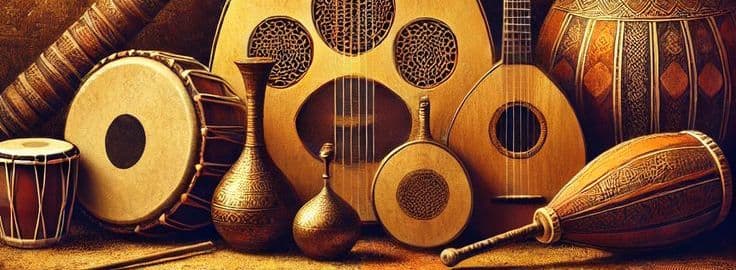
Bhajni Theka is a popular rhythmic cycle consisting of eight beats, primarily employed in Indian devotional music such as Bhajans, Kirtans, and Abhangs. Although it shares the same eight-matra framework as Keherwa Taal, it is distinguished by its specific bols and a distinct, lilting syncopation that evokes a sense of spiritual fervor. The taal is divided into two sections (vibhags) of four beats each. Its structure provides a swinging, rhythmic foundation that perfectly complements the melodic flow of semi-classical and folk-based devotional genres. It is most commonly performed on the Tabla, Dholak, or Pakhawaj in varied contexts.
Beat Division
4-4
Total: 8 beats
Clap Wave Pattern
X 0
X = Sam (Clap)
Numbers = Tali (Clap)
0 = Khali (Wave)
Visual representation of divisions, clap patterns, and beat positions
Vibhag Pattern: 2
Ekgun
| Maatra | 1 | 2 | 3 | 4 | 5 | 6 | 7 | 8 |
| Bol | Dhin | Na Dhin | - Dhin | Na | Tin | Na Dhin | - Dhin | Na |
| Sign | X👏 (Clap) | 0👋 (Wave) | ||||||
Sam
Starting beat with clap
Khali
Empty beat with wave
Ekgun
| Maatra | 1 | 2 | 3 | 4 | 5 | 6 | 7 | 8 |
| Bol | Dhin Na Dhin | - Dhin Na | Tin Na Dhin | - Dhin Na | Dhin Na Dhin | - Dhin Na | Tin Na Dhin | - Dhin Na |
| Sign | X👏 (Clap) | 0👋 (Wave) | ||||||
Ekgun
| Maatra | 1 | 2 | 3 | 4 | 5 | 6 | 7 | 8 |
| Bol | Dhin Na Dhin - Dhin | Na Tin Na Dhin | - Dhin Na Dhin | Na Dhin - Dhin Na | Tin Na Dhin - Dhin | Na Dhin Na Dhin | - Dhin Na Tin | Na Dhin - Dhin Na |
| Sign | X👏 (Clap) | 0👋 (Wave) | ||||||
Ekgun
| Maatra | 1 | 2 | 3 | 4 | 5 | 6 | 7 | 8 |
| Bol | Dhin Na Dhin - Dhin Na | Tin Na Dhin - Dhin Na | Dhin Na Dhin - Dhin Na | Tin Na Dhin - Dhin Na | Dhin Na Dhin - Dhin Na | Tin Na Dhin - Dhin Na | Dhin Na Dhin - Dhin Na | Tin Na Dhin - Dhin Na |
| Sign | X👏 (Clap) | 0👋 (Wave) | ||||||
Bhajni Theka is a popular rhythmic cycle consisting of eight beats, primarily employed in Indian devotional music such as Bhajans, Kirtans, and Abhangs. Although it shares the same eight-matra framework as Keherwa Taal, it is distinguished by its specific bols and a distinct, lilting syncopation that evokes a sense of spiritual fervor. The taal is divided into two sections (vibhags) of four beats each. Its structure provides a swinging, rhythmic foundation that perfectly complements the melodic flow of semi-classical and folk-based devotional genres. It is most commonly performed on the Tabla, Dholak, or Pakhawaj in varied contexts.
Musical Genres
Gharanas
Instruments
Check out more
Clap Wave Pattern
X = Sam (Clap) • Numbers = Tali (Clap) • 0 = Khali (Wave)
Clap Wave Pattern
X = Sam (Clap) • Numbers = Tali (Clap) • 0 = Khali (Wave)
Clap Wave Pattern
X = Sam (Clap) • Numbers = Tali (Clap) • 0 = Khali (Wave)